About this account · first posted December 31, 2018
Written for the original ArbonValley.com by Jacob Andersen. Memories and documents quoted in the account belong to the people who wrote them. This is the website publication date, not the date of every event described. References to “today” belong to the original account.
When each family arrived, as the records and family accounts date it. A bar starts in the year the arrival begins and spans the years the accounts give; a hollow mark (“by”) is a family already there when the first record names them.
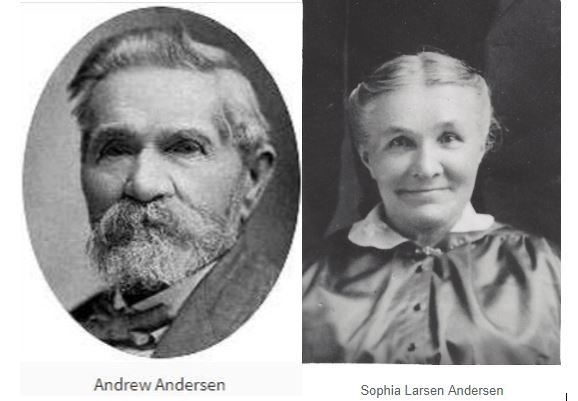
A Danish-immigrant family from Mendon in Cache Valley. By family tradition Andrew Andersen scouted the valley with his sons Otto and John in 1892; after his Mendon store burned in October 1893 the sons settled at the head of Bannock Creek and raised their first crop in 1894. Seven of his children, with his daughter Annie’s husband Bruce Pett, entered neighboring homesteads around today’s Andersen Road between 1901 and 1914; the valley history calls them “the largest family to settle and homestead” there, and John C.’s descendants were still farming there when the family histories were written (2018–19).
From Curlew Valley and Malad, by way of Willard, Utah
English-born George Dennis Arbon and his son Joseph were among the first settlers to stay through a valley winter. The post office (1898) — and eventually the whole valley — was named for George, the oldest of the original…
Eight sons of Charles R. Bailey of Wellsville took up land in a compact block along today’s Bailey Road. J. R. Bailey first explored the valley in 1892, and his half-brother Charles made the first homestead entry in township 11…
Brothers Henry Mitchel and Charles Bolingbroke of Malad were among the north end’s first settlers. The family’s Rattlesnake Creek water right carries a decreed priority of 1892 (1889 in the family account); Henry’s son John Henry…
George Willard Bradley, a Michigan-born cowboy who wore two six-guns and never sat with his back to a door, held a decreed Rattlesnake Creek water right dating from 1902, years before his land was surveyed; his homestead and…
Six children of the Welsh pioneer Thomas Daniels of Malad — Thomas D., David M. and John M. “Donum,” and their half-siblings Jennett Price, Henry and George — took up land at the north end, in the Big Meadows below the West Fork…
Two Welsh families from Samaria near Malad, not shown to be related. Samuel Deer Davis scouted Knox Canyon water with David Bowen in 1892; Edward Henry Davis and his wife Esther — George Arbon’s daughter — made their home in the…
Welsh Latter-day Saint brothers from Samaria — Thomas, Lorenzo and David Bowen Evans, sons of Bishop Jonah Evans — took up land on the north Arbon floor from 1894 and brought their families between 1900 and about 1903. They kept…
A Swedish immigrant carpenter, John Hayden (born Johan August Bengtsson), took one of the last Crystal homesteads in 1913. His brother Martin’s wife Margary kept the Crystal post office in her home for thirteen years (1923–37),…
Joseph C. Jenson — musician, violin-maker, piano tuner, harness- and cabinet-maker — homesteaded at Summit from 1909 with his wife Alice, whose brother Edward G. Smith took the neighbouring quarter. Family tradition credits him…
John Winters Lusk Jr. of Malad and his Welsh-born wife Annie came to the north end in 1888 by the family’s account; the oldest record is their Rattlesnake Creek water right with an 1892 priority on the Lusk Loop fields, which…
From Americus, Lyon County, Kansas (by family tradition, by way of Spokane, Washington)
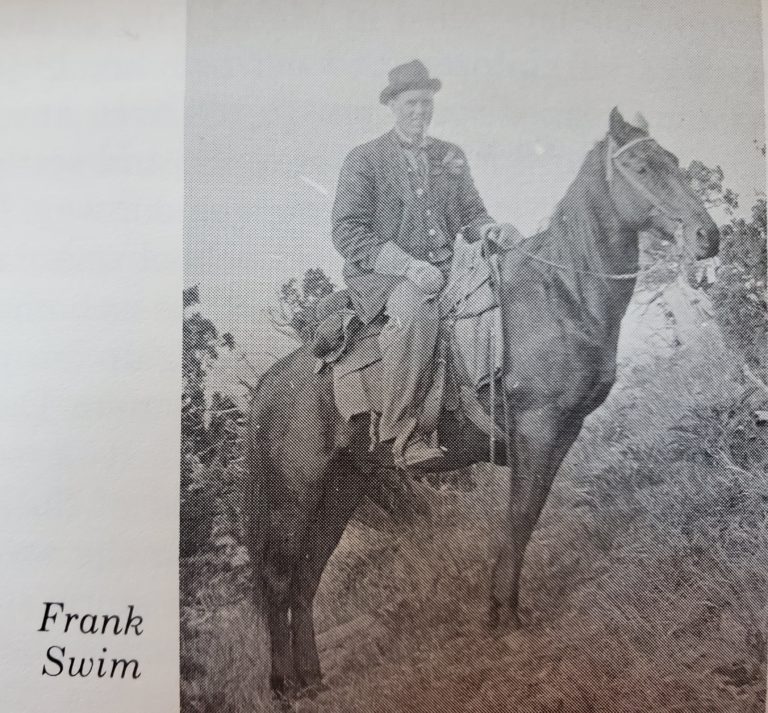
Frank Swim and his first cousin J. W. Butler, from Americus, Kansas, filed on homesteads on upper Bannock Creek, two and a half to three miles south of Pauline, in October 1908 — by family tradition after overhearing talk of…
From Woodruff and Malad, Malad Valley, Idaho (Jesse born in Snowville, Utah)
By the family’s account Joseph W. Ward claimed Lake Canyon and its water in May 1893; his brother Jesse — first cousin of Joseph N. Arbon — worked the land below it from 1896, entered 320 acres there as a desert-land claim in…
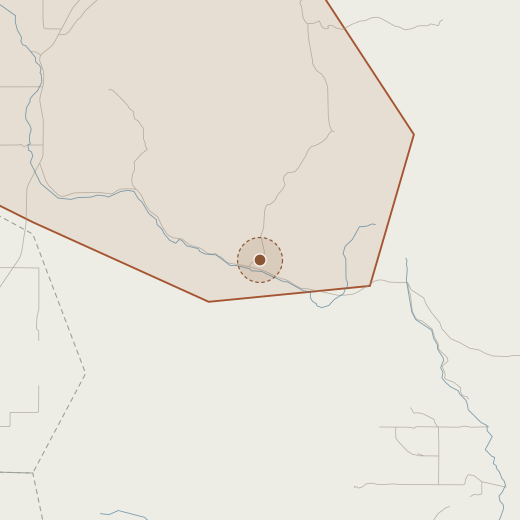
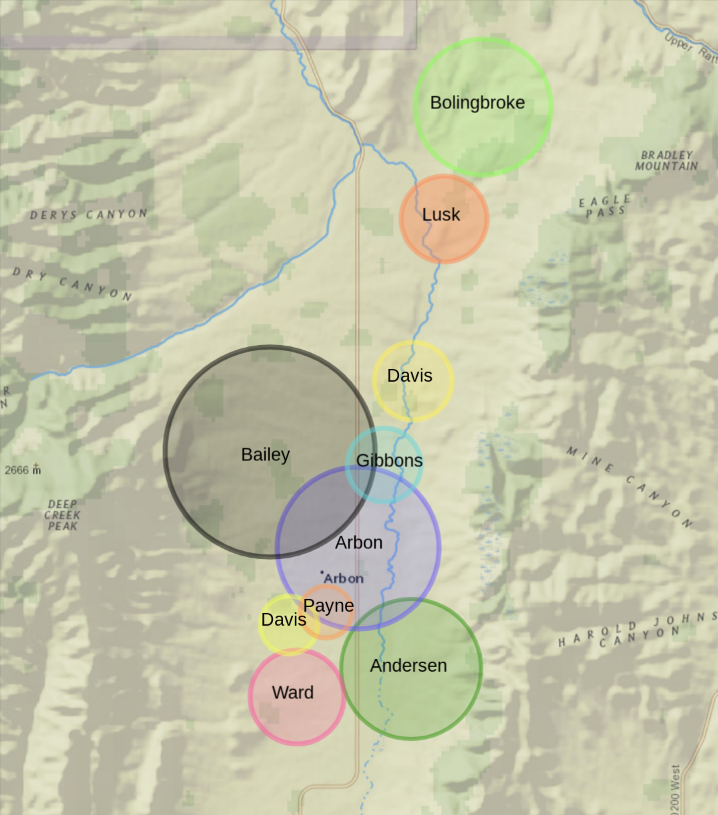
The map below is a simplified view of the homesteading families. While many people homesteaded and left, this is not meant to be a definitive list of the hundreds of homesteaders who spend some time in the valley, back when they were all trying to wrestle a living out of a hundred and sixty acres. Instead, this history focuses more on the families who remained for generations, and still make an impact on the valley today.